Olivia
Wife
More vibes
Hobbies & Interests
Lifestyle & Spending
Style & Appearance
Environment & Home
Personality & Vibe
Things to avoid
The best 3rd wedding anniversary gift ideas from the GiftyWow community. Browse experiences, upgrades, indulgences, and more, all matched to real couple vibes, with the traditional themes of leather, crystal, sunflower, and pearl woven through.
In many Western anniversary lists, year three is the leather anniversary; some modern lists add crystal or glass. Sunflowers and pearls are optional symbols on many charts. Treat them as inspiration if they fit your partner, not a required checklist.
TRADITIONAL
Leather
MODERN
Crystal
FLOWER
Sunflower
GEM
Pearl


Demo pair photos for upload.
SEE IT IN ACTION
Olivia and Julian are fictional names on illustrative portraits. The gift ideas are real.
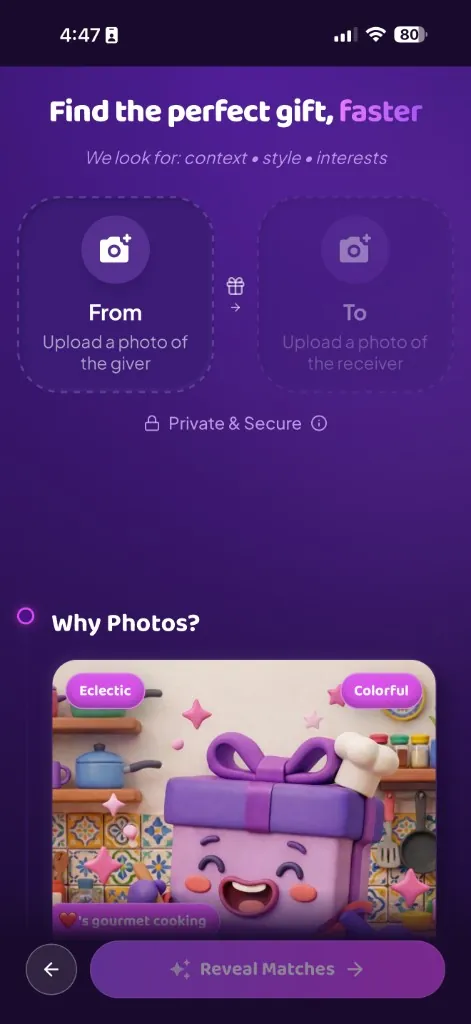
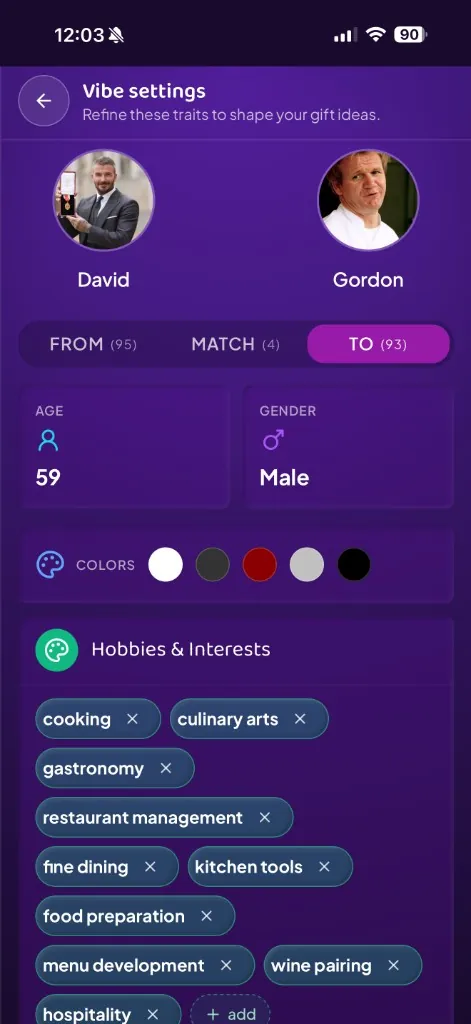
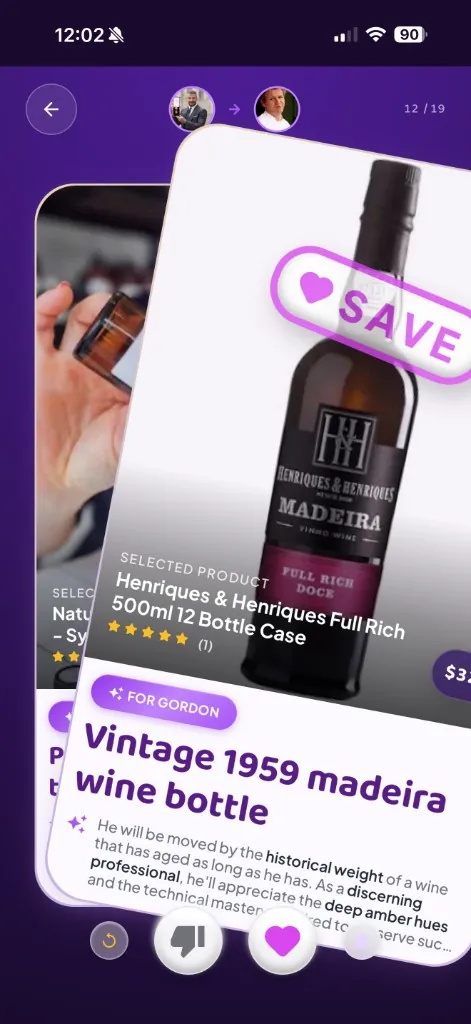
Meet Olivia and Julian. They uploaded photos, set the occasion to third wedding anniversary, and let GiftyWow mirror their signals. Every tile below is something surfaced for Julian from a real pipeline run: tap any tile to see why it landed.
Wife
Things to avoid
Husband
Things to avoid
Loading gift ideas…
Loading gift ideas…
The leather tradition narrows the field so sharply that most people land on the same short list: wallets, journals, belts, keychains. When a theme gives you permission to stop thinking, it is easy to settle for something that could belong to anyone rather than something chosen for the person sitting across the table.
The real problem is not leather itself. Leather is a beautiful material with enormous range, from hand-stitched bags to artisan-bound notebooks to custom-tooled accessories. The problem is that browsing "leather anniversary gift" returns the same dozen products regardless of who your partner is. A minimalist who gravitates toward clean lines and muted tones needs something completely different from someone who fills their space with color and texture. Research from Givi and Galak (2017) found that givers frequently default to safe, predictable options rather than risk something emotionally resonant (Givi and Galak 2017). That instinct is strongest when a theme like "leather" makes the safe option feel like the right option.
The way past generic is to start with who they are right now, not with the material. What does their morning routine look like? What do they carry every day? What textures do they reach for when they are shopping for themselves? A leather weekend bag means something different to someone who takes spontaneous road trips than it does to someone who has not left the city in two years. The detail is what makes the gift land.
No. The leather tradition is a starting point, not a rule. If leather genuinely fits how your partner lives, lean into it. If it does not, treat the tradition as one option among many and prioritize something that reflects who they actually are over something that checks a symbolic box.
Traditions work best when they give you a creative constraint rather than a rigid requirement. Leather as a theme can push you toward tactile, well-made objects that age beautifully, and that instinct is worth keeping even if you move away from the material itself. A handmade ceramic piece, a piece of quality glassware, or an experience you share together can carry the same spirit of durability and warmth without forcing a material on someone who has no use for it.
The more useful question is not "what does tradition say?" but "what does my partner actually reach for?" If they never carry a leather bag, a leather bag is not thoughtful. If they light up around well-made kitchenware or spend their weekends outdoors, the gift should start there. The best anniversary gift ideas reflect the relationship, not the calendar year.
Start with observation, not shopping. The gap between a leather gift that feels considered and one that feels interchangeable comes down to whether it reflects something true about the person receiving it: the color palette they already live in, the textures they choose when no one is watching, the objects they use every single day.
Most people skip this step because it feels like overthinking. But the difference between a generic leather journal and one that actually fits is the difference between "I saw leather and thought of our anniversary" and "I noticed you have been writing in that ratty notebook every morning, so I found one that matches the rest of your desk." The second version carries visible thought. The recipient can see the observation behind it, and that is what makes a gift feel personal rather than obligatory (Belk 1996).
Pay attention to what leather already looks like in their life. Do they carry a worn-in brown bag or a structured black one? Do they prefer matte finishes or polished ones? Are their everyday accessories minimal or layered? These cues tell you more about what leather gift will land than any gift guide can. If they wear mostly earth tones and natural fibers, a hand-stitched vegetable-tanned piece in a warm brown will feel like it was already theirs. If their wardrobe runs dark and clean, a slim black leather folio or cardholder fits that world instead.
There is no fixed amount, but most couples spending on a third anniversary land somewhere between $50 and $200. What matters more than the number is whether the gift signals effort and observation rather than just a price tag.
The temptation at early milestones is to substitute budget for thought: spend enough and the gift will feel significant regardless. But research consistently shows that recipients do not rate expensive gifts higher than less expensive ones when perceived thoughtfulness is controlled for (Flynn and Adams 2009). A $60 leather notebook chosen because you noticed they write every morning before coffee will land harder than a $300 leather bag chosen because it looked impressive on a gift guide.
The more practical question is proportionality. Spend what feels comfortable for your household and specific enough that it still shows you were paying attention. If money is tight, a modest gift that reflects something real about their week, like a leather sleeve for the book they are reading or a set of coasters that match the mugs they already use, carries more weight than an expensive generic. If your budget is generous, spend it on quality and fit rather than on scale. One beautifully made piece that belongs in their daily life beats three that sit in a drawer.
A thoughtful anniversary gift carries a visible thread of observation: the recipient can see that you noticed something specific about them and chose accordingly. An expensive gift without that thread feels generous but impersonal. The thought is what separates "this was chosen for me" from "this was chosen for someone."
The distinction plays out in small details. A leather travel case is a fine gift. A leather travel case in the exact shade of brown that matches their favorite boots, with a monogram in the font style they would actually choose, is a different object entirely. The price might be similar, but the second version says "I was paying attention to the way you put your things together." That is the signal recipients remember.
If you are looking for a place to start, ask yourself three questions: what do they use every day that could be nicer? What have they mentioned once and then never brought up again? And what do they never buy for themselves even though they clearly want it? Any of those threads will lead you to a gift that feels like it was found, not grabbed. A third anniversary is early enough that you are still learning each other's rhythms, which makes observation-driven gifts especially powerful. You are showing that you are still noticing, still curious, still invested in the details of who they are becoming.
Get something they would actually use. A tradition that leads you to a gift your partner genuinely loves is working perfectly. A tradition that leads you to a gift your partner smiles at and then puts in a closet is not serving the relationship, it is serving the calendar.
That said, tradition is not the enemy here. The leather theme can be a useful creative constraint if it pushes you toward materials and craftsmanship you would not have considered otherwise. The problem comes when the tradition overrides what you know about the person. If your partner has no use for leather goods, a beautifully made leather item is still a beautifully made item they do not need. The gift ends up being about your compliance with a rule rather than your knowledge of them.
The strongest approach is to treat tradition as a filter, not a destination. Ask: is there anything made from leather (or crystal, the modern alternative) that would genuinely improve their daily life? If yes, you get the best of both worlds. If no, move on without guilt. The tradition exists to inspire, not to constrain. Your partner will remember how the gift made them feel long after they have forgotten whether it matched the anniversary-year chart.
Upload a photo and match gifts to their real taste, without the leather-year clichés.
Open GiftyWow