Not all occasions are created equal. A casual birthday gift for a colleague carries one set of stakes. An anniversary gift for a partner of fifteen years carries another. A sympathy gift for someone navigating grief is different again.
The occasions that make people most anxious about gifting are the ones where the relationship is doing most of the work, and the gift is expected to say something accurate about that relationship. Getting it right is satisfying. Getting it wrong is remembered.
Here is how to approach the occasions where the pressure is highest.
Milestone birthdays (40th, 50th, 60th and up)
The challenge with milestone birthdays is that the recipient usually has very strong opinions about what belongs in their life by this point. They have had decades to figure out their taste, their habits, and what kind of things they actually use. The gift that worked for a 30-year-old, something to fill a new apartment or add to a new hobby, often misses completely at 50.
What tends to work at milestone birthdays is either an experience or something consumable. Not because objects are wrong, but because a person who has been building their life for fifty years does not usually have an obvious gap in their possessions. An experience gives them something to look forward to rather than something to find a place for.
Experiences also work because they create a shared memory, which is part of what milestone birthdays are actually about. The 50th is not just a number. It is a moment to mark, to celebrate, to make feel different from any other year. An experience that they remember as tied to that birthday does that job in a way that an object rarely does.
The one exception is the upgrade. If you know someone well enough to know that something they love, something they use regularly and take pleasure in, has a better version, giving them that upgrade lands well at any age. It signals both that you know what they care about and that they deserve the good version.
Anniversaries
Anniversaries are harder than birthdays for a specific reason: a birthday celebrates a person, but an anniversary celebrates the relationship. The gift has to say something accurate about what you have built together, not just something that would please one of you individually.
This is why generic "romantic gift" lists rarely help. They are designed to look romantic from the outside. A good anniversary gift has to look accurate from the inside.
The longer the relationship, the more specific the gift needs to be. Someone who has known their partner for two years can give a meaningful gesture that is still a little exploratory. Someone who has known their partner for twenty years has far more information, which raises the bar considerably. A twenty-year partner who gives something generic is signaling that they have not been paying attention, even if that is not their intention.
A useful frame for anniversary gifts: what is something that represents this specific relationship rather than any relationship? A shared memory, a shared joke, a shared project. Something that could only have come from the two of you rather than from a gift guide.
The wedding anniversary gift tradition of materials, paper at one year, silver at twenty-five, and gold at fifty, is a useful scaffold for givers who want some structure. The material is not the gift. It is a prompt for what direction to go in.
Sympathy and illness
The most common mistake with sympathy and illness gifts is choosing something that expresses how you feel about their situation rather than what they actually need.
Gifts that say "stay positive," that imply they will be better soon, or that require the recipient to do something with them (arrange flowers, respond with gratitude, display meaningfully) all put a burden on someone who is already carrying more than they can manage. The intention is kind. The effect adds weight.
The gifts that work best in these moments are the ones that reduce friction without asking anything in return. Food that arrives ready to eat. Something that makes a difficult day slightly more comfortable. Something that removes one task from a long list of tasks. The gift that asks nothing of the recipient is often the most welcome thing they receive.
The tone of the gift matters as much as the object. Something that communicates you see what they are going through and you are not asking them to manage your feelings about it is more valuable at this moment than almost anything else.
What to avoid
In sympathy and illness contexts, the gifts most likely to cause unintended harm are: anything that implies they should feel more positive (crystals for healing, motivational books), anything that implies a timeline for recovery, anything that requires a display or response, and anything that is clearly about the giver's own emotional processing rather than the recipient's needs. Candles and comfort items are generally safer than anything that carries a message about the situation itself.
Gifting into the extended family (in-laws, new partners, first occasions)
The first gift you give to someone who is evaluating you is not really about the gift. It is about what the gift demonstrates about your judgment, your care, and your understanding of what the occasion calls for.
This means the instinct to choose something impressive, something that will make an impact, often backfires. Impressive gifts in unfamiliar relationships can read as overreach, as a desire to be perceived rather than a desire to give. The gift that lands best in this context is usually the one that shows careful attention to what is appropriate for the occasion and the relationship stage, nothing more and nothing less.
Practical guidance: choose something consumable or edible rather than something the recipient will have to keep. This removes the pressure of whether they like it enough to display it. It signals generosity without implying intimacy that has not been established yet. It gives the occasion its due without overplaying a relationship that is still finding its register.
Valentine's Day
The gap between what feels romantic to the giver and what feels romantic to the recipient is higher on Valentine's Day than almost any other occasion. This is partly because the day is laden with external messaging about what romantic should look like, and that messaging is often more about marketing than about the actual relationship.
The most common failure pattern on Valentine's Day is giving something that looks right from the outside but misses the person on the inside. Expensive flowers when the person has mentioned they do not like cut flowers. A restaurant booking for a type of cuisine they do not enjoy because it seemed like the kind of place you take someone on Valentine's Day.
The most consistent predictor of a Valentine's Day gift that lands well is specificity. Not an expensive generic romantic gesture, but something that could only have been chosen for this specific person. A book by their favorite author. A plan to revisit somewhere that meant something to them. Tickets to something they have been wanting to see.
A direct question asked a week early almost always produces a better gift than a well-intentioned guess made on the day itself.
The GiftyWow Take
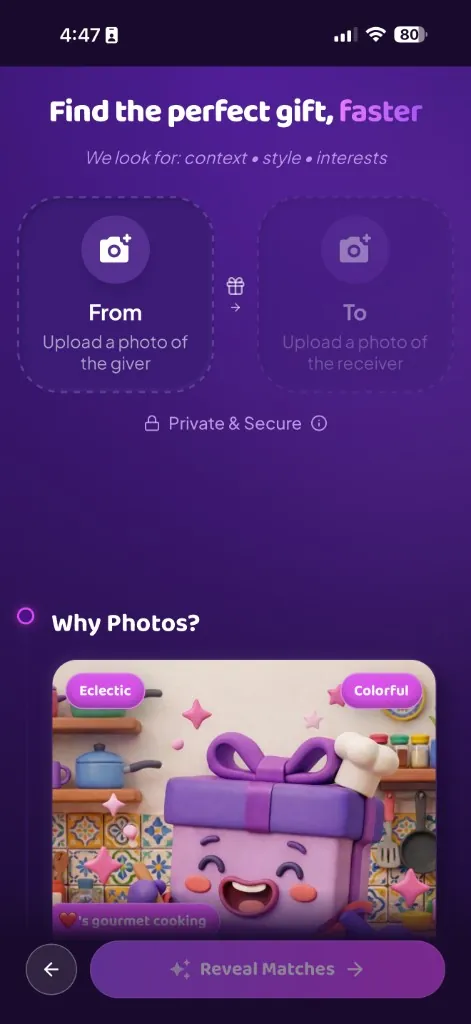
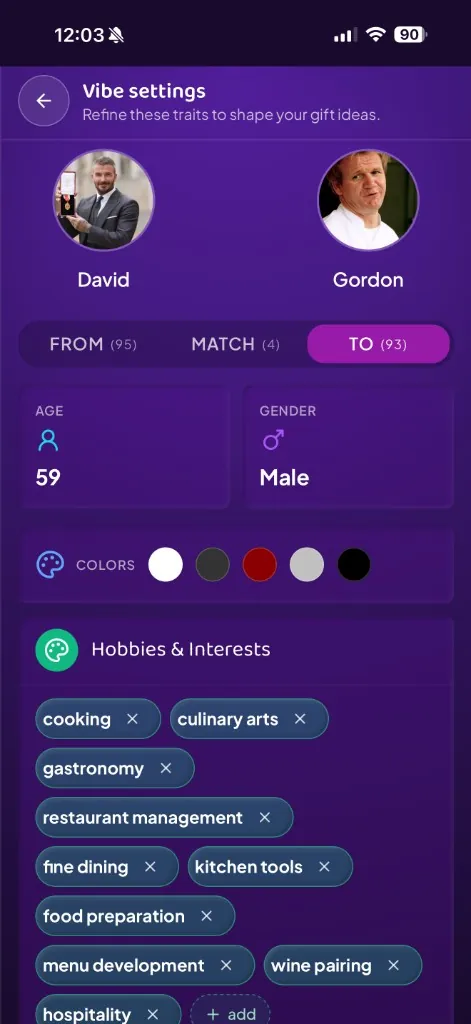
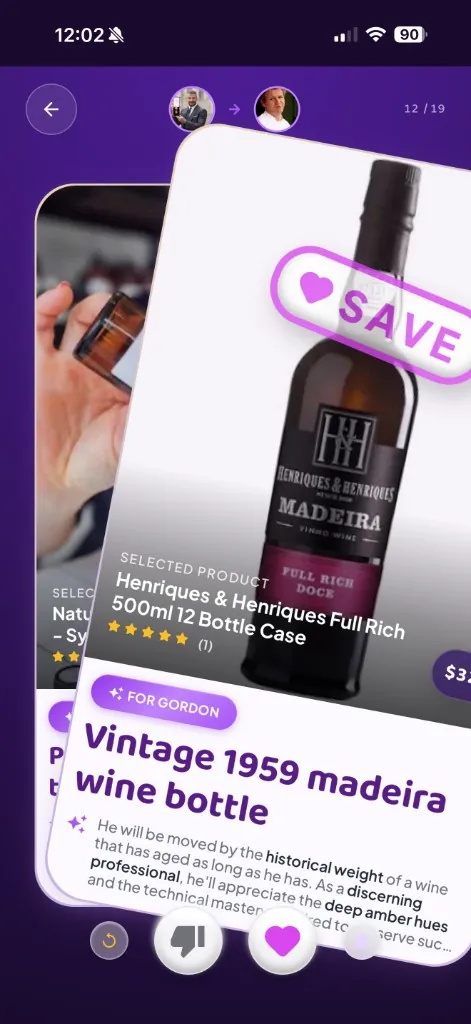
High-stakes occasions are where a photo of the person's space or style becomes most valuable. When the pressure is high, the instinct is to give something that looks impressive rather than something that fits the person. The photo grounds the search in who they actually are. Impressive and accurate are not mutually exclusive, but you have to start from the person, not from the occasion.