6 min read
Why Gift-Giving Is Harder Than It Looks
Love languages name a real tension: we give in the style we want to receive, not the style they read. Here is the research on why and how to fix it.
Gifting 101
Gift giving looks simple until you're standing in an aisle. If you want that ultimate reaction where they feel deeply seen, you have to move past generic categories. Read our core pillars below, or let us do the heavy lifting and match you with something they will genuinely value.

1. Understanding
The gift must demonstrate that you truly "see" the recipient's values, not just their surface interests.
2. Specificity
Generic gifts signal generic relationships. A great gift solves a specific problem or elevates a specific moment.
3. Confidence
Give what they will actually use, not what you think they "should" use. Align with their reality.
Why gifts miss, high-stakes moments, and the psychology behind giving that lands.
6 min read
Love languages name a real tension: we give in the style we want to receive, not the style they read. Here is the research on why and how to fix it.

4 min read
Milestone birthdays, anniversaries, sympathy, extended family, and Valentine's Day when the relationship is doing most of the work.
Your default giver mode and a quick quiz to name your blind spots.

3 min read
Four default gifting modes, where each one shines, and the blind spots that steer you wrong. Includes a link to the 60-second gift giver quiz.
Culture, sympathy, condolence, and party-exchange rules that catch people out.

7 min read
What gift giving culture means, how traditions differ in Japan, China, India, and beyond, plus cash, numbers, taboos, and when not to unwrap in public.

8 min read
What makes a sympathy gift land, best picks by category (food, care packages, memorial, illness, pet loss), what to avoid, timing, and choosing by relationship.

7 min read
Definition of a white elephant gift, how steal-and-swap exchanges work, house rules, Yankee Swap vs white elephant, and what to bring.

13 min read
Why cross-sex friendship gifts feel loaded, what research says about overspend and the intimacy spectrum, and how to choose presents that stay platonic, with Australian mateship context and named AU picks.
Relationship-based spend bands for showers, weddings, and other high-anxiety occasions.

7 min read
Relationship-based spend bands ($30–$50 coworkers, $50–$75 friends, $75–$125 close ties), shower vs wedding budget split, registry etiquette, and when to adjust up or down.

7 min read
Relationship-based spend bands ($25–$40 coworkers, $40–$75 friends, $75–$150 close family), registry etiquette, group gifts, and when to adjust up or down.
Discovery Quiz
Seven quick scenario questions. We will match you to one of the four giver modes from this guide.
Take the quiz"Hard to buy for" usually means the giver has low confidence in their options, not that the person is impossible to please. The fix is to get more specific: their current life, what they're obsessed with, what they'd love but wouldn't buy for themselves. Specificity beats the "plays it safe" instinct almost every time.
Pro Tip: How to find a hidden gem with GiftyWow
We built our platform specifically to solve the "hard to buy for" problem. In fact, the harder they are to pick for, the more we love the challenge! Here is how you can use our AI to uncover those unique gifts:
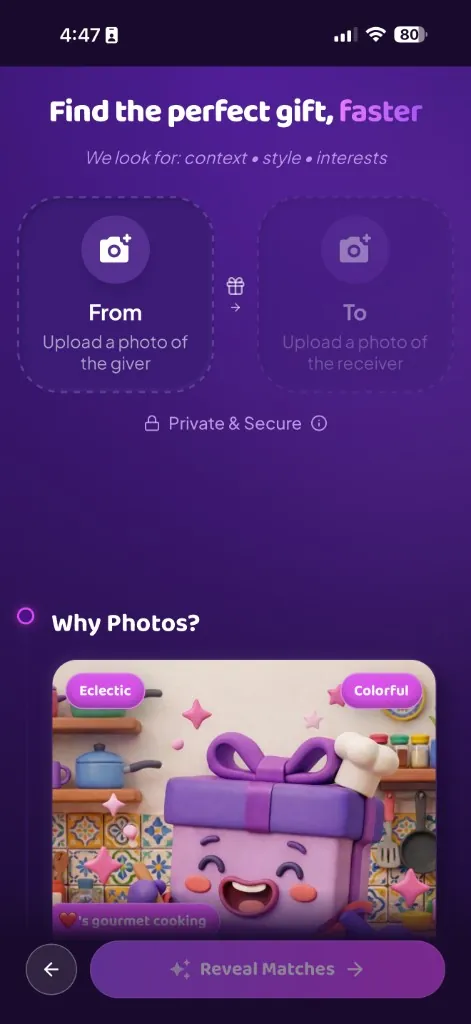
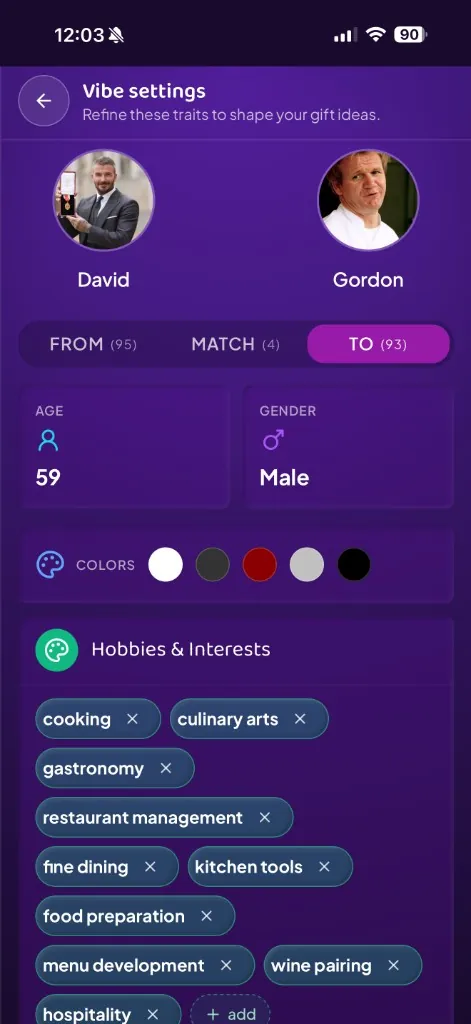
Snap the context: Upload a photo of the two of you, along with a couple of pictures of them in their element doing what they love. Our engine will scan these images to pull out relevant vibes for you to review and edit.
Add your insider knowledge: You know the hidden context that no one else does. Layer in specific details like their current challenges, their niche interests, and where you will be giving the gift. The more context you provide, the closer we get to the perfect match.
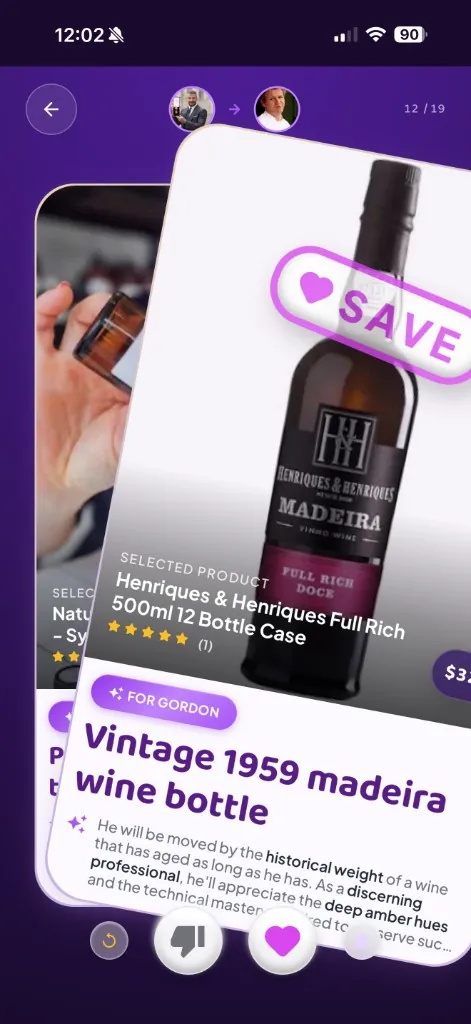
Swipe and refine: Our AI applies expert gifting knowledge to ideate gifts tailored specifically to your context. Swipe through the recommendations to quickly discern the best ones, keeping an eye out for items that connect to hidden memories or inside jokes. If you need more inspiration, simply rerun the search to generate a fresh batch of suggestions.
Shortlist and shop: Choose the products that resonate the most to build your shortlist. Once you pick the ultimate winner, you can instantly see which preferred retailers have it available to purchase.
Start MatchingStart with the three pillars above: who they are now, something specific to them, and giving it without hedging. When those line up, the gift usually lands without a speech at the handover. If you have the insider knowledge but are struggling with the execution, GiftyWow is built to bridge that gap. You upload the photos and context, and our AI does the heavy lifting to translate your insights into a concrete shortlist of spot-on gifts. The articles below go deeper on psychology, your habits, culture, and high-pressure occasions.
When someone can buy themselves anything, money stops being the currency. The gift that lands is the one that says "I know who you are." Think: an experience they wouldn't book for themselves, a meaningful upgrade to something they already love, or something deeply personal with a clear reason behind it. The goal is to show you see them, not to compete with their purchasing power.
Pro Tip: How to outsmart their wallet with GiftyWow
When money isn't the object, insight is. Here is how to use our platform to find something they haven't bought themselves:
Show us their world: Snap a picture of their office, their everyday carry gear, or their weekend setup. Our engine scans the images to pull out their specific aesthetic and vibe.
Layer the context: Add the hidden details only you know: what they are currently obsessed with, a recent challenge they mentioned, or a shared inside joke.
Discover the unexpected: Our AI uses your insider knowledge to ideate unique upgrades or niche experiences. Swipe through the shortlist to find that hidden gem they never knew they needed.
Start MatchingThe difference between a last-minute gift that looks rushed and one that doesn't is specificity, not lead time. An experience booked tonight, a handwritten note about a specific memory, or something that connects to what they're actually into right now will land better than a generic gift card, no matter when you bought it. Last minute doesn't have to look last minute.
Pro Tip: Nailing the scramble with GiftyWow
You can pull off a deeply personal gift in minutes. Here is the playbook:
Fast context: Upload a quick photo of them or drop in a few rapid-fire details about their current interests and whatever context you have right now.
Let us sprint: Our AI instantly ideates a highly tailored shortlist based on your specific clues.
Filter for speed: Swipe through to select the winner, then immediately check which of our preferred retailers offer rush shipping or instant digital delivery. You get all the credit, with zero evidence of a scramble.
Start MatchingThe gifts that work best after a loss are ones that reduce friction without asking anything in return. Food that arrives ready to eat, a comfort item for long days, or something that removes one task from a very long list. Avoid anything that implies a timeline for recovery or requires gratitude or a response. The goal is to show you showed up, not to fix the grief.
A common benchmark is covering your cost per head at the reception, typically $75 to $150 per person, more for close family or longtime friends. What matters more than the dollar amount is choosing from the registry, since those are the items the couple has actually thought about. A thoughtful registry gift almost always lands better than an equivalent spend off-list.
For a close friend or family member, $50 to $100 is typical. For an acquaintance or colleague, $25 to $50 is fine. Practical, registry-specific gifts almost always land better than something creative off-registry, because the parents have already thought carefully about what they need. If you're unsure, a gift card to a baby store is simple and genuinely useful.
Yes. Gift giving is one of the five love languages identified by Gary Chapman, and for people who have it as their primary language, receiving a thoughtful gift signals love more clearly than quality time or words of affirmation. The gift isn't the point: the attention and effort behind it is. A small, considered gift lands bigger than an expensive generic one for a gift-giving-language person.
The key is calibrating how personal to go based on where the relationship actually is. Too intimate oversteps; too generic signals you didn't try. The sweet spot is something that shows you've noticed who she is as a person, not just who she is to your partner. To hit that exact sweet spot, you can run her specific interests through GiftyWow. Upload a photo of her living room or garden, add some context about how long you've known her, and our AI will generate a shortlist of gifts that strike the perfect balance between thoughtful and appropriate. Our mother in law gift guide covers this in detail across budget levels and relationship stages.
Regifting is fine with two conditions: the item is in perfect, unused condition, and the new recipient is someone who would genuinely enjoy it. Where it goes wrong is when the gift still shows signs of its original purpose, like a card from someone else inside the box, or when it reaches someone who knows where it came from. The thought still has to count.
Snap a photo. Let me read their vibe. You get a curated gift edit in under two minutes.
Start Matching