A good sympathy gift asks nothing of the person receiving it. No arranging, no displaying, no thank-you note, no pretending to be okay. It shows up, makes one moment slightly easier, and does not need to be managed. That is the bar: reduce friction, not add to it.
If you are trying to figure out what to send someone who is grieving, this guide breaks down what actually works, what consistently misses, and how to choose based on your relationship and the timing of the loss. The same principles apply to condolence gifts after a death, care packages during serious illness, and gestures when someone loses a pet. The through-line is always the same: meet them where they are, not where you wish they were.
What makes a sympathy gift land (and what makes it miss)
The most common mistake with sympathy gifts is choosing something that expresses how you feel about their situation rather than what they actually need. Gifts that say stay positive, that imply a timeline for recovery, or that require the recipient to arrange, display, or respond with gratitude all put a burden on someone who is already carrying more than they can manage.
Gifting research describes a familiar asymmetry: givers evaluate gifts through effort, price, and how impressive the gesture looks. Recipients evaluate gifts through fit and whether the gift makes their life easier right now. In grief and illness, that gap widens. What looks thoughtful from the outside often reads as one more thing to handle from the inside. For the broader pattern, see why gift-giving is harder than it looks.
The gifts that work best in grief and illness fall into three categories:
- Gifts that reduce effort. Food that arrives ready to eat. A gift card for delivery. A house cleaning session. Anything that removes one task from an overwhelming list.
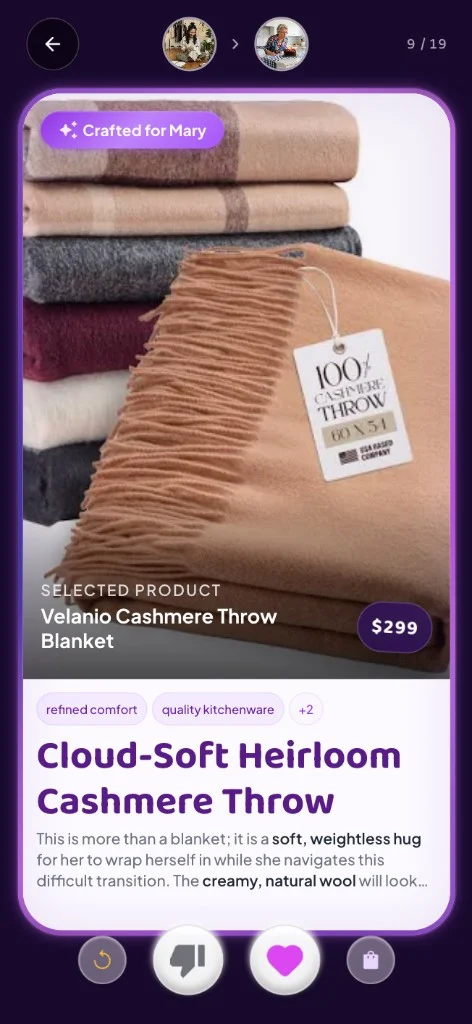
- Gifts that create comfort without requiring action. A soft blanket. A curated care package of small comforts. Something that makes a difficult day slightly more bearable without asking the person to participate in their own consolation.
- Gifts that honor memory gently. A letter sharing a specific memory of the person they lost. A charitable donation in their loved one's name. A keepsake that does not demand display but can be held close when needed.
The research says
Flynn and Adams (2009) found that givers consistently believe more expensive gifts will be appreciated more. Recipients, studied separately, show almost no correlation between price and appreciation. In sympathy contexts that mismatch matters twice over: an expensive gesture can create guilt about reciprocity when the recipient can barely answer the door.
The best sympathy gifts by category
Food and meals
Food is consistently rated as the most appreciated sympathy gift, because it solves an immediate, practical problem. People in grief often forget to eat, or cooking feels impossible when everything else is consuming their energy.
What works well: meal delivery gift cards, a meal train organized through a shared calendar or group signup, a curated food basket with shelf-stable items that do not require preparation, or a restaurant gift card for a place they already love.
What to avoid: highly perishable items that need to be consumed immediately, anything that requires significant preparation, or food gifts so large they create storage and coordination problems. When a family receives a flood of casseroles in the first few days, the food itself becomes another thing to manage.
Sympathy gift baskets and care packages
A thoughtful sympathy gift basket can be exactly right when you want to send something tangible but are not sure what the person needs most. The best baskets combine small practical comforts rather than going for visual impressiveness.
A genuinely useful sympathy care package might include tea or coffee, a candle with a gentle scent, a soft pair of socks, tissues, a phone charger, and a short personal note. Nothing perishable, nothing strongly scented, and nothing that requires the recipient to do anything other than open it.
The baskets that miss tend to be the ones designed to look generous in a product photo rather than to actually be used. Giant fruit arrangements, oversized cookie towers, and luxury baskets full of items the person would never choose for themselves are common culprits.
Memorial and keepsake gifts
Memorial gifts serve a different purpose from comfort gifts. They preserve connection to the person who has been lost, and they tend to be most appreciated when they arrive a few weeks after the loss rather than in the immediate aftermath.
What works well: a personalized wind chime, a memorial garden stone, a custom photo album or frame, remembrance jewelry, or a donation to a charity that was meaningful to the person who passed.
What to consider: personalized memorial gifts can be profoundly comforting when they match the closeness of the relationship. They can also miss if they feel too intimate for the level of connection you actually share. A letter sharing one specific memory is often more treasured than any object, and it costs nothing but attention.
Get well and recovery gifts
When someone is recovering from surgery, going through treatment, or managing a serious illness, the gifting principles are similar to grief but with some important differences. The person is still here, still processing, and often managing other people's emotions about their situation on top of their own.
Gifts for someone going through chemo or cancer treatment: Comfort is the priority. Soft blankets, cozy socks, lip balm, gentle hand cream, audiobooks or streaming subscriptions, a small cooler bag for treatment days, or ginger tea and bland snacks for nausea days. Avoid anything that implies a timeline for recovery or frames the illness as a battle they need to fight. That framing puts the emotional burden of optimism on the person who is sick.
Get well soon gifts after surgery: Focus on things that make recovery less boring and less uncomfortable. Streaming service gift cards, puzzle books, a comfortable pillow, easy-to-eat snacks, and anything that does not require them to sit up, move, or exert energy they do not have. Avoid flowers that need water changes, gifts that require thank-you notes, or anything strongly scented (chemically sensitive noses are common after anesthesia).
Gifts for the loss of a pet
Pet loss is real grief, and it deserves to be treated that way. The people searching for a gift for someone who lost a pet are trying to honor something that many others dismiss, which makes the gift itself an act of recognition.
What works well: a personalized pet memorial (a custom illustration, a paw print ornament, a garden stone), a charitable donation to an animal shelter in the pet's name, a framed photo of the pet, or a note sharing a specific memory of the animal.
What to avoid: anything that implies the person should get a new one, anything that minimizes the loss, and anything that pressures them to display their grief publicly before they are ready.
What not to send: the gifts that consistently miss
Understanding what does not work is as important as knowing what does. These are the sympathy gifts most likely to create unintended harm, even when the intention behind them is kind.
- Anything that implies they should feel differently than they do. Self-help books about healing, crystals for positive energy, motivational quotes, or anything that frames grief as something to be fixed rather than something to be moved through.
- Anything that requires maintenance or action. Fresh flower arrangements that need water changes and eventual disposal. Live plants that need care (unless you know the person loves gardening). Elaborate gift sets that need to be unpacked and organized.
- Anything that is clearly about the giver's emotional processing. A long letter about how the loss has affected you, a gift that centers your relationship with the deceased rather than the grieving person's needs, or anything that requires the recipient to manage your feelings on top of their own.
- Anything with a religious or spiritual message that does not match the recipient's beliefs. Prayer cards, devotional books, or angel figurines can be deeply comforting when they align with the person's faith. When they do not, they can feel tone-deaf. See cultural gifting rules for how faith and tradition shape what lands.
- For cancer and illness specifically: The worst gifts for cancer patients tend to be the ones that impose a narrative on the experience. Stay strong merchandise, books about miracle recoveries, supplements or alternative treatments (which can interfere with medical care and imply the person is not doing enough), or anything that ties their worth to their attitude about the illness.
When to send a sympathy gift
Timing matters more than most people realize, and getting it right often means not sending the gift in the first 48 hours.
In the first week: Practical gifts are most useful here. Food, meal delivery cards, and anything that reduces the administrative burden of the first few days. The family is often handling arrangements, paperwork, and visitors. Gifts that require nothing from them are ideal.
Weeks two through four: This is when support often drops off, and it is actually when many people need it most. A care package, a thoughtful card, or a memorial keepsake sent two or three weeks after the loss communicates something powerful: you are still thinking about them after everyone else has moved on.
Months later: An anniversary card, a donation made on a meaningful date, or a simple message that you were thinking about the person they lost. These late gestures are often the ones that are remembered most, because they arrive when the person has been left alone with their grief and the world has moved on. Resources like Hallmark's sympathy gift guide echo the same point: showing up late beats not showing up at all.
How much to spend on a sympathy gift
Sympathy gifts are the one category where the amount you spend matters least. Research on gift price shows recipients rarely tie appreciation to cost; what they read for is fit and whether the gesture made a hard moment slightly easier. An inexpensive letter with a specific, genuine memory can outweigh an expensive basket that creates storage problems and guilt.
If money is tight, the most meaningful sympathy gesture you can offer is your time. Showing up to help with a task, making phone calls, coordinating meals, or simply sitting with someone who does not want to be alone costs nothing and communicates everything. For other high-pressure occasions where stakes run high, what to give at high-stakes occasions covers a different set of rules.
Choosing by relationship
For a close friend or family member: You have the context to be personal. A specific memory in a letter, a photo they might not have, a gift that connects to something they shared with the person they lost. Go personal over impressive.
For a coworker or acquaintance: Keep it respectful and low-burden. A sympathy gift card for food delivery, a small care package, or a contribution to a group gesture. The goal is to acknowledge the loss without overstepping a relationship boundary.
For a child who is grieving: Children process grief differently and often need tangible comfort objects. A soft stuffed animal, a children's book about loss, or a journal with simple prompts can help a child process feelings they do not have the vocabulary for yet.
When you still feel stuck, the anxiety is usually not about budget. It is about choosing something that feels personal enough for this relationship without adding burden to someone who is already overwhelmed. Generic sympathy lists fail because they cannot see the shared memory, the inside joke, or the texture of how this person actually lives.